

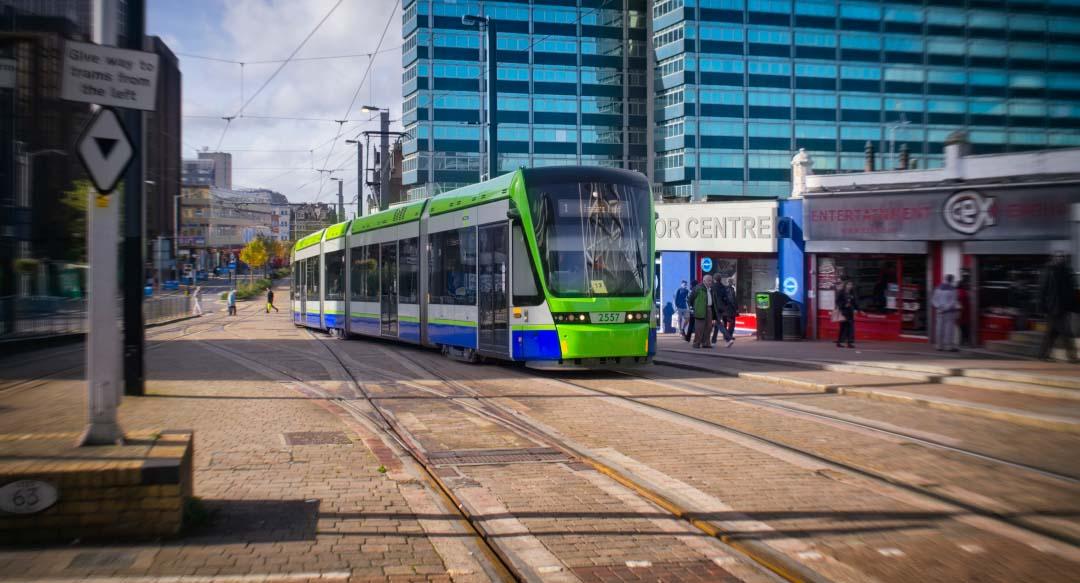
This anniversary is a moment for remembrance, but also to reflect on how far tram safety has come. Investigations into the incident exposed serious gaps in how this rail sector understood and controlled risks. The Rail Accident Investigation Branch made 15 recommendations in their report that ultimately became a true catalyst for change.
On Croydon's tram network, automatic braking now protects against excessive speeds at high-risk locations. Driver vigilance devices, stronger speed warnings, improved lighting and revised risk assessments provide further layers of protection.
London Trams has also reduced its network-wide speed limit from 80km/h to 70km/h and improved evacuation procedures and emergency lighting for those on board. Transport for London says all recommendations directed at its network have been completed.
The changes necessarily extend beyond Croydon. The Light Rail Safety and Standards Board, established in 2019 following the investigation, now supports shared risk analysis, industry guidance and stronger standards. Only recently, it brought the sector together to review progress on overspeed protection, driver vigilance and emerging technologies.
Sandilands has also demonstrated the value of translating innovation into practical safety improvements. As technologies continue to develop, both the tram sector and the wider railway have an opportunity to evaluate, trial and deploy proven innovations more quickly where they can deliver tangible safety benefits. Robust assurance remains essential, but it should support, rather than unnecessarily delay, the adoption of effective risk controls.
ORR has maintained scrutiny through inspections, oversight and enforcement. ORR’s prosecution led to Transport for London and Tram Operations Limited being fined a combined £14 million in 2023 for health and safety failings.
This is substantial progress, but it is not the end of the job. Our latest safety report shows that some technical protections are still being implemented across other tram networks. We will continue holding dutyholders to account for completing improvements and checking that safeguards work in practice.
The most fitting tribute to those affected is to ensure the lessons of Sandilands continue to drive safer journeys for everyone.