

Using RM3 to drive continuous improvement (current)
RM3 should be used as a strategic improvement tool, not simply for compliance. Regular maturity assessments help dutyholders identify gaps, prioritise actions and track improvements. RM3 is designed to comprehensively assess all elements of the HSMS.
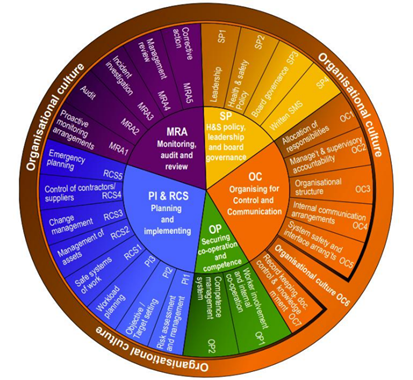
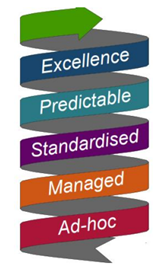
RM3 defines criteria for achieving different levels of maturity against each HSMS element. ORR encourages dutyholders to show measurable progress in RM3 maturity, moving from Standardised toward Predictable and, ultimately, Excellence. Improvement should be visible in leadership, assurance, governance and operational delivery.
SMS must reflect the realities of day-to-day work, not only documented procedures. Continuous improvement should demonstrate that controls are applied consistently in practice.
Improvement should follow the Plan–Do–Check–Act (PDCA) cycle to ensure changes are embedded, evaluated and refined.
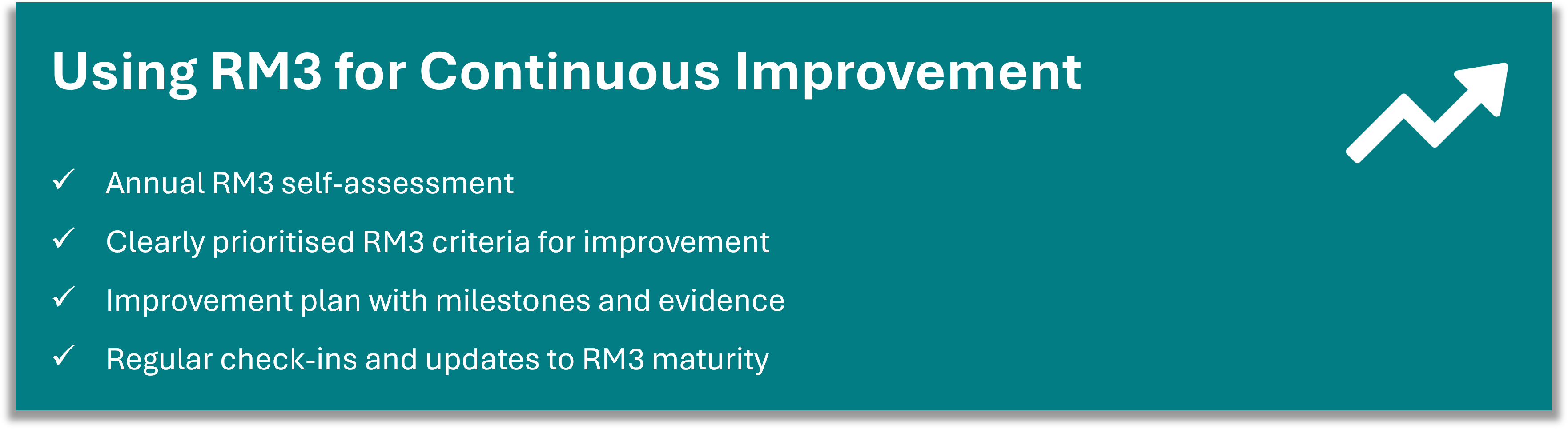
Targeted actions to strengthen SMS
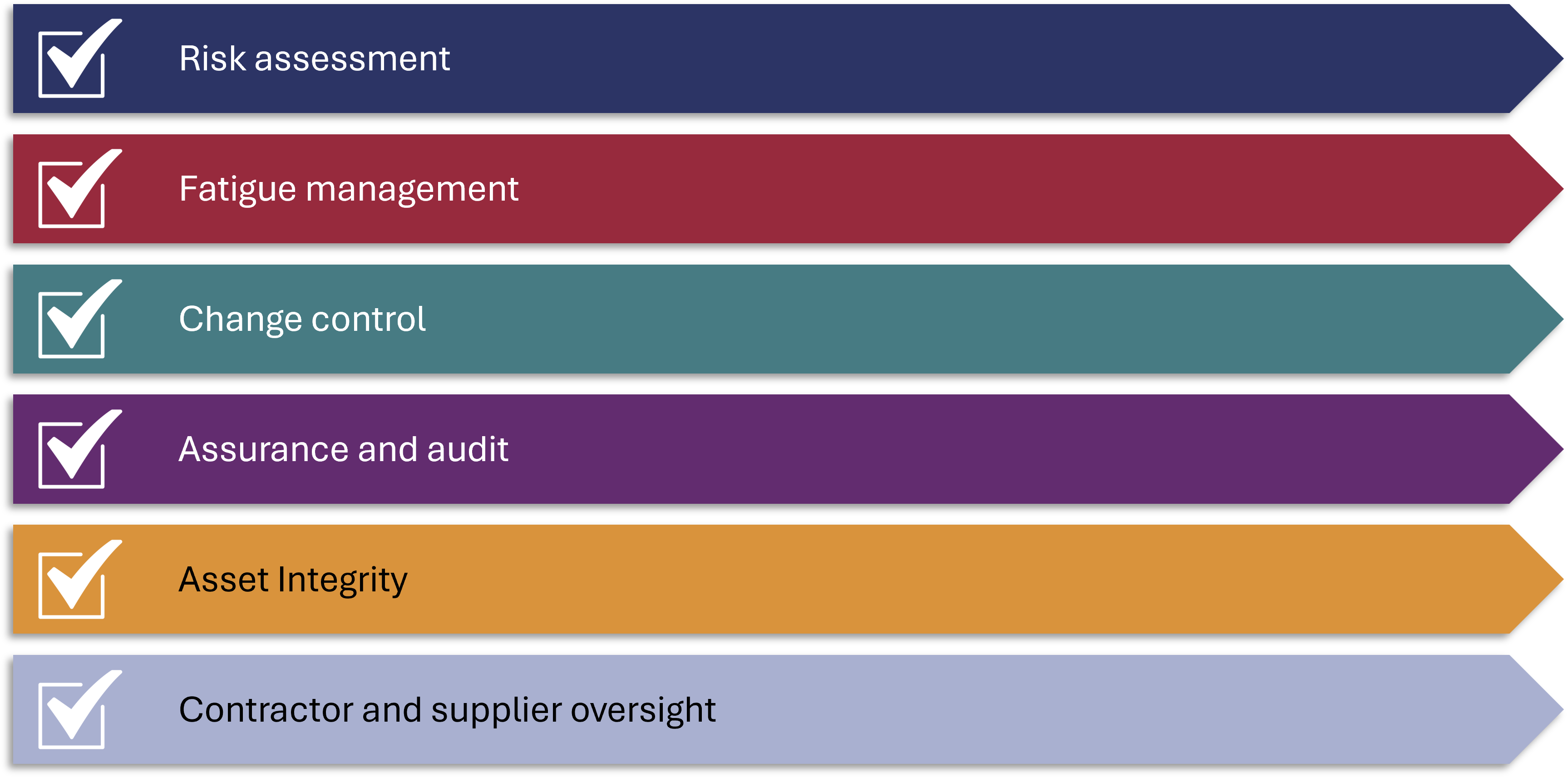
ORR expects dutyholders to focus improvement efforts on the areas where weaknesses are most frequently identified:
More robust arrangements bring clear benefits: stronger decision-making, more effective responses to emerging risks and improved organisational resilience.
Preparing for future ROGS developments (future)
ORR’s work to update ROGS guidance and digitise permissioning will clarify expectations and modernise processes. Dutyholders should monitor developments and consider early adjustments to their SMS.
The ongoing RM3 review will strengthen cultural maturity measures and Human & Organisational Factors. Dutyholders should plan to incorporate updated RM3 criteria into future improvement plans.
Strengthening safety culture and learning
Effective continuous improvement relies on a mature safety culture, where safety is a shared organisational value and staff feel confident raising concerns.
Dutyholders should:
- Assess and strengthen safety culture regularly
- Encourage open reporting of incidents and near-misses
- Demonstrate learning through changes to SMS and controls
- Communicate clearly “what has changed and why”
Recommended resources
Dutyholders should make use of ORR’s improvement resources, including:
- RM3 guidance and training
- Heritage SMS guidance
- ORR annual reports and safety data
- Case studies and good practice examples
Participation in ORR-supported industry forums, working groups and learning networks provides further opportunities to share learning and strengthen maturity.