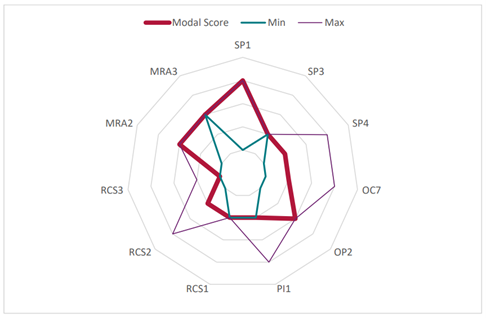

Industry performance
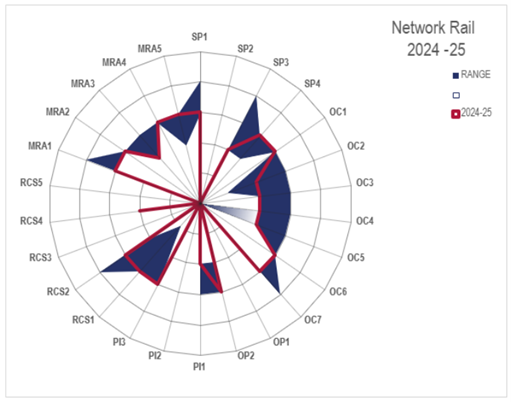
Network Rail
Network Rail operated broadly at the Standardised level across most SMS components, with Scotland consistently outperforming other regions and reaching Predictable maturity in leadership, governance, and proactive monitoring. Improvements were noted in assurance activities and dashboard-based performance tracking, particularly in Scotland and Wales & Western. However, weaknesses persist in contractor control, incident investigation, and competence management, compounded by staff shortages and retention challenges. Fatigue risk management remains underdeveloped, and uneven application of standards continues to affect consistency.
Mainline Operators
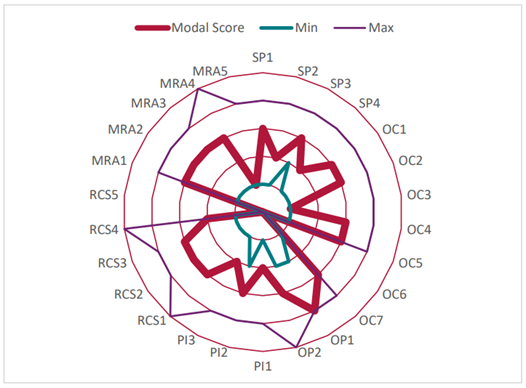
Mainline operators demonstrate Standardised maturity overall, with Predictable performance in leadership, board governance, and incident investigation. Worker involvement and change management scored well during major fleet introductions. However, variability across duty holders remained significant, particularly in contractor control, safe systems of work for high-risk tasks, and proactive supplier monitoring. Several risk assessments were found outdated, and communication gaps persist, limiting the reach of safety briefs and route risk information.
Non-Mainline Operators
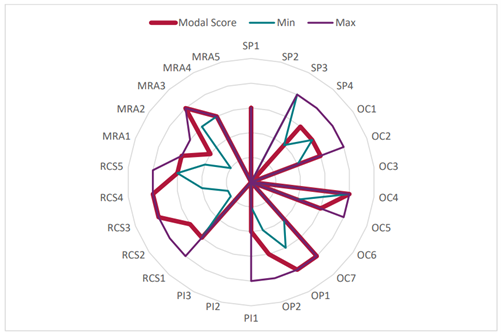
Non-mainline operators generally operated at Standardised maturity, with strong performance in communication, worker involvement, and record keeping. Contractor control and change management also scored highly, supported by structured processes. However, risk assessment and audit processes remained inconsistent, asset management is uneven, and competence arrangements for agency staff require improvement. Emergency planning is supported by joint exercises but lacks systematic integration of lessons learned.
Heritage Railways
There are over 200 Heritage and Minor railways in Great Britain, varying significantly in their scale and operations. ORR expects individual railways to develop a SMS proportionate to the level of risk associated with their operations. To support improvement, ORR has published SMS guidance tailored for heritage railways and developed a dedicated RM3 topic set specifically for this sector Our inspections in 2024/25 identified that the sector is typically at a Managed level of SMS maturity. Weaker areas tend to be found around audit and change management.