

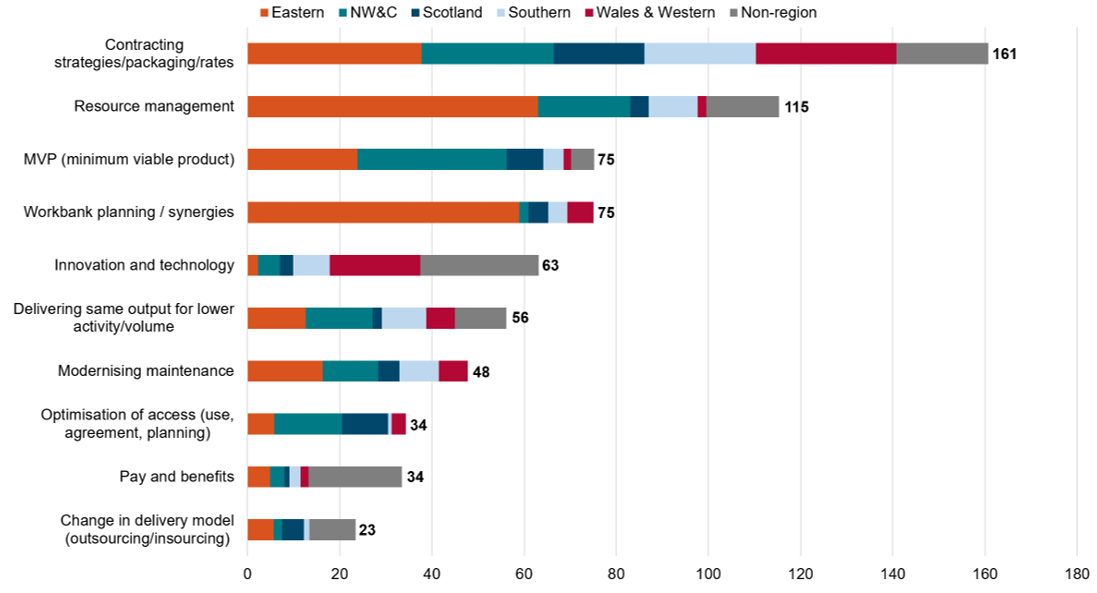
Figure C.1: Top ten efficiency initiatives in April 2025 to March 2026
Source: ORR analysis of Network Rail’s data
C.1 Network Rail has delivered efficiencies through various initiatives. The largest 10 initiatives are listed below:
Contracting strategies, packaging and rates (£161 million)
C.2 This initiative delivers savings through improved commercial and procurement practices. Efficiencies arise from negotiating better contract terms and rates, packaging work more effectively, increasing competition between suppliers and strengthening contract management.
Resource management (£115 million)
C.3 Resource management focuses on reducing workforce-related costs through improved workforce planning, headcount management, organisational redesign and better deployment of staff. Savings also arise from reducing reliance on contractors and improving productivity across teams.
Minimum viable product (£75 million)
C.4 Minimum viable product focuses on delivering projects to the minimum scope necessary to achieve the required outputs and benefits. This reduces costs by challenging requirements, simplifying designs and avoiding unnecessary work throughout project development and delivery.
Workbank planning and synergies (£75 million)
C.5 The initiative aims to improve planning, sequencing and coordination of work. A more stable and predictable workbank allows resources and supply chains to be used more efficiently, reducing disruption, rework and overall delivery costs.
Innovation and technology (£63 million)
C.6 Innovation and technology initiatives improve efficiency through the adoption of new technologies, digital tools and improved engineering methods. These initiatives seek to reduce costs, improve productivity and deliver work more efficiently while maintaining network performance and safety.
Delivering the same output for lower activity or volume (£56 million)
C.7 These efficiencies arise where Network Rail is able to deliver the same outputs with fewer interventions, reduced activity levels or lower resource requirements. Savings are achieved through improved asset management, prioritisation and more efficient delivery methods.
Modernising maintenance (£48 million)
C.8 Modernising maintenance improves productivity by changing how maintenance activities are planned and delivered. Savings are generated through improved rostering, more efficient team structures, workforce reform, better use of technology and reduced reliance on contractors.
Optimisation of access (£34 million)
C.9 This initiative delivers efficiencies by improving how access to the railway is planned, agreed and used. Better coordination with train operators and more efficient use of possessions reduces disruption, improves productivity and lowers the cost of maintenance and renewals work.
Pay and benefits (£34 million)
C.10 Pay and benefits efficiencies relate to controlling employment costs through workforce reform, organisational restructuring and reducing staffing costs relative to outputs delivered. The aim is to improve productivity while managing overall employment expenditure.
Change in delivery model (£23 million)
C.11 This initiative generates savings by changing how work is delivered, including decisions to outsource, insource or transfer activities between delivery organisations. Savings are achieved where alternative delivery arrangements provide a more efficient or cost-effective approach.